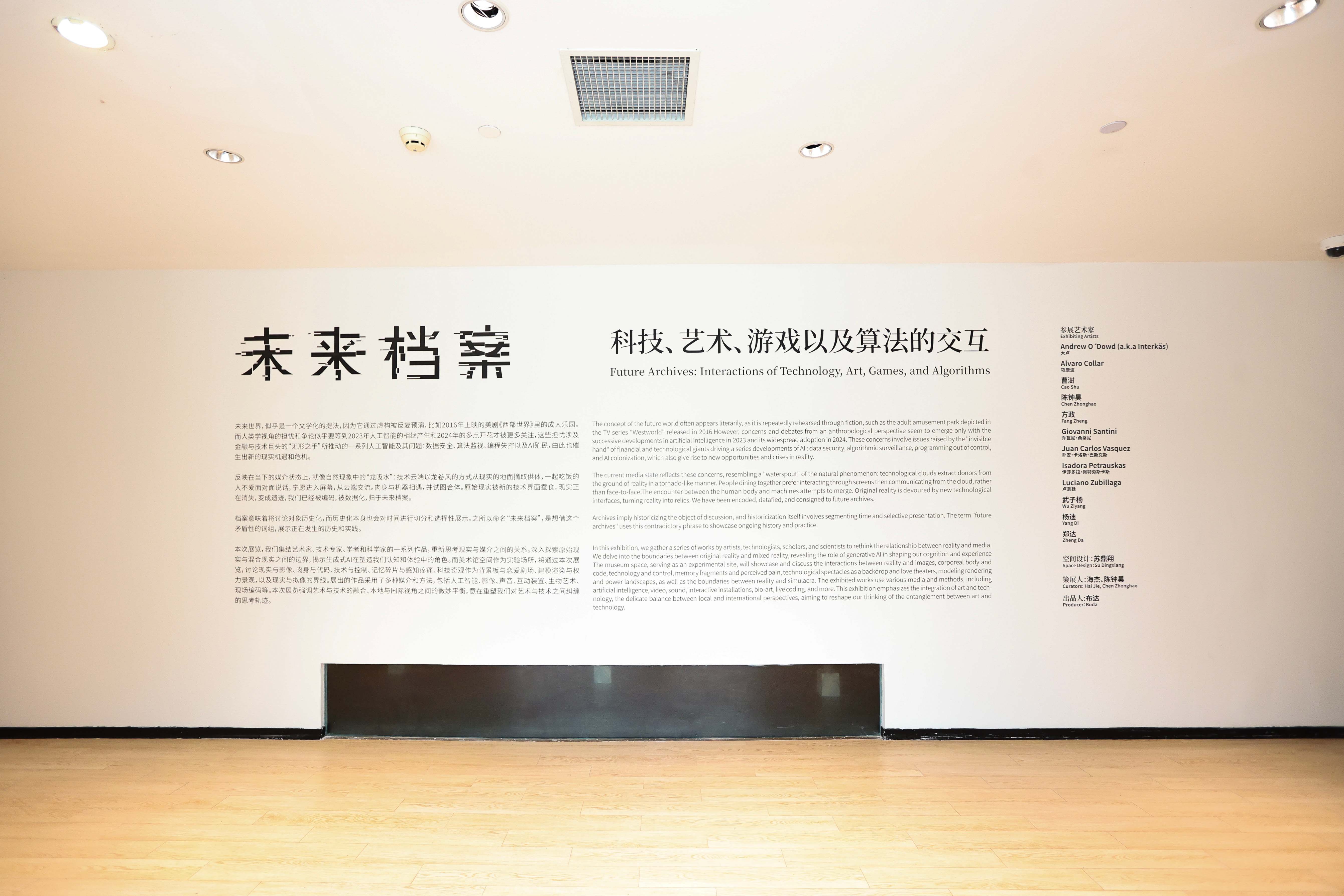





未来世界,似乎是一个文学化的提法,因为它通过虚构被反复预演,比如2016年上映的美剧《西部世界》里的成人乐园。而人类学视角的担忧和争论似乎要等到2023年人工智能的相继产生和2024年的多点开花才被更多关注,这些担忧涉及金融与技术巨头的“无形之手”所推动的一系列人工智能及其问题:数据安全、算法监视、编程失控以及AI殖民,由此也催生出新的现实机遇和危机。
反映在当下的媒介状态上,就像自然现象中的“龙吸水”:技术云端以龙卷风的方式从现实的地面摘取供体,一起吃饭的人不爱面对面说话,宁愿进入屏幕,从云端交流。肉身与机器相遇,并试图合体。原始现实被新的技术界面蚕食,现实正在消失,变成遗迹,我们已经被编码,被数据化,归于未来档案。
档案意味着将讨论对象历史化,而历史化本身也会对时间进行切分和选择性展示。之所以命名“未来档案”,是想借这个矛盾性的词组,展示正在发生的历史和实践。在这个实践里,我们可以看到现实作为“供体”,如何被媒介摘取,进而维持新的活动可能性,但这种行为在艺术家们的行动中,或多或少地遭遇了排异性的思考。这里借用人体器官移植里的“供体”概念,意在表述现实的非完整性和零件的形态。
如今,我们透过屏幕俯视,进入黑特-史德耶尔所说的“自由落体视角”。在她看来,“与摇摇欲坠的未来搏斗,迫使我们回到痛苦的当下。我们发现,在坠落的下方,没有地面,飘摇不定。”
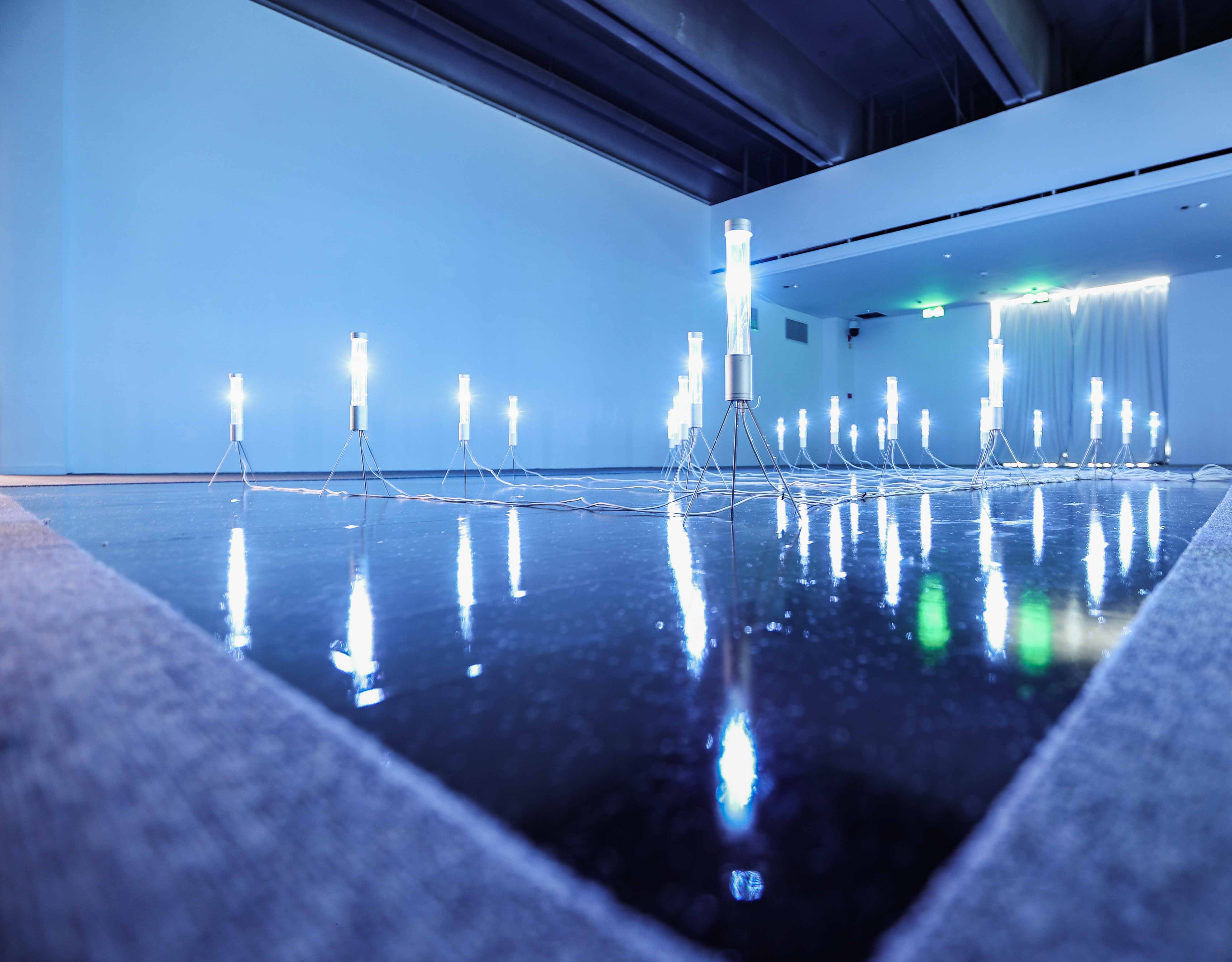
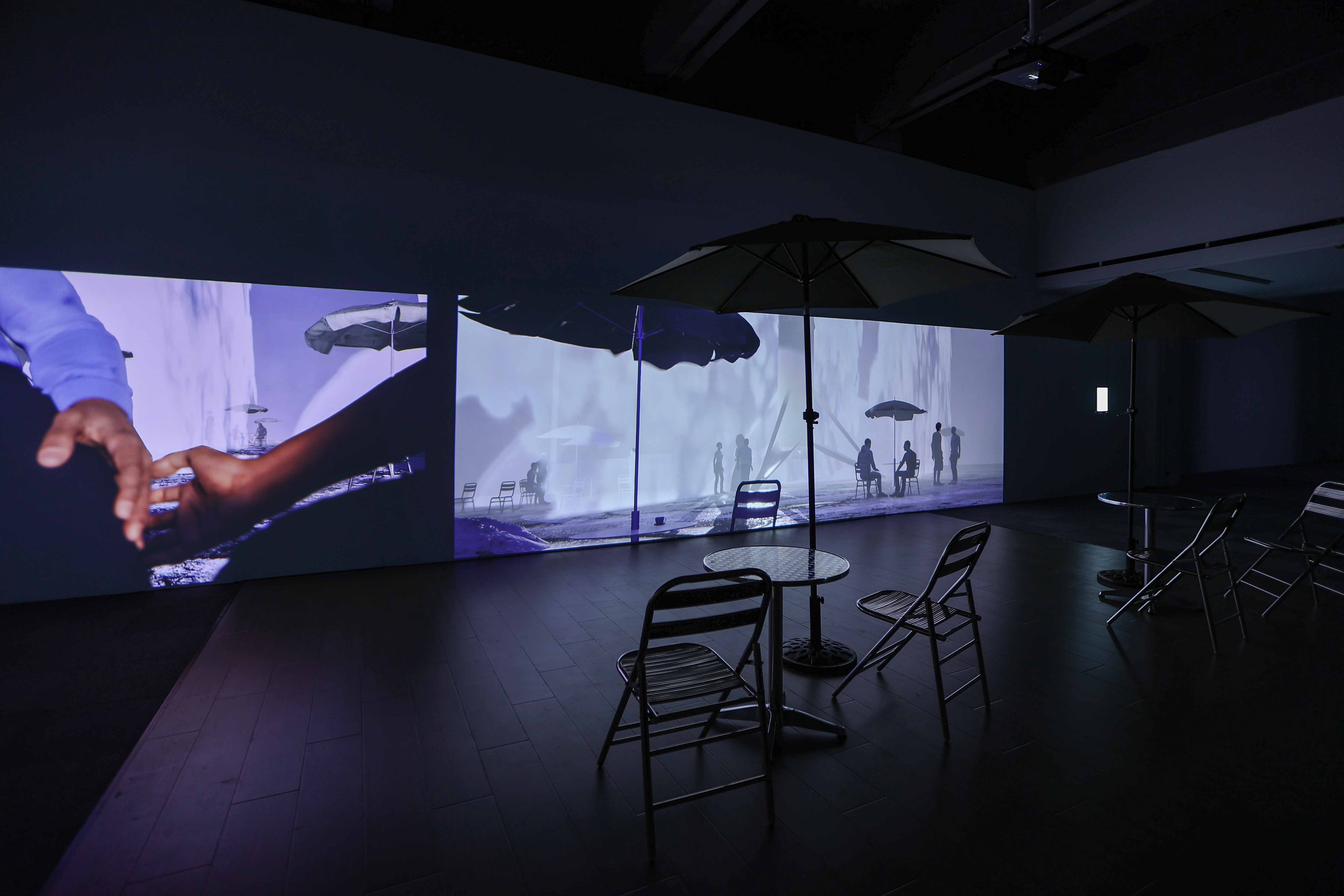
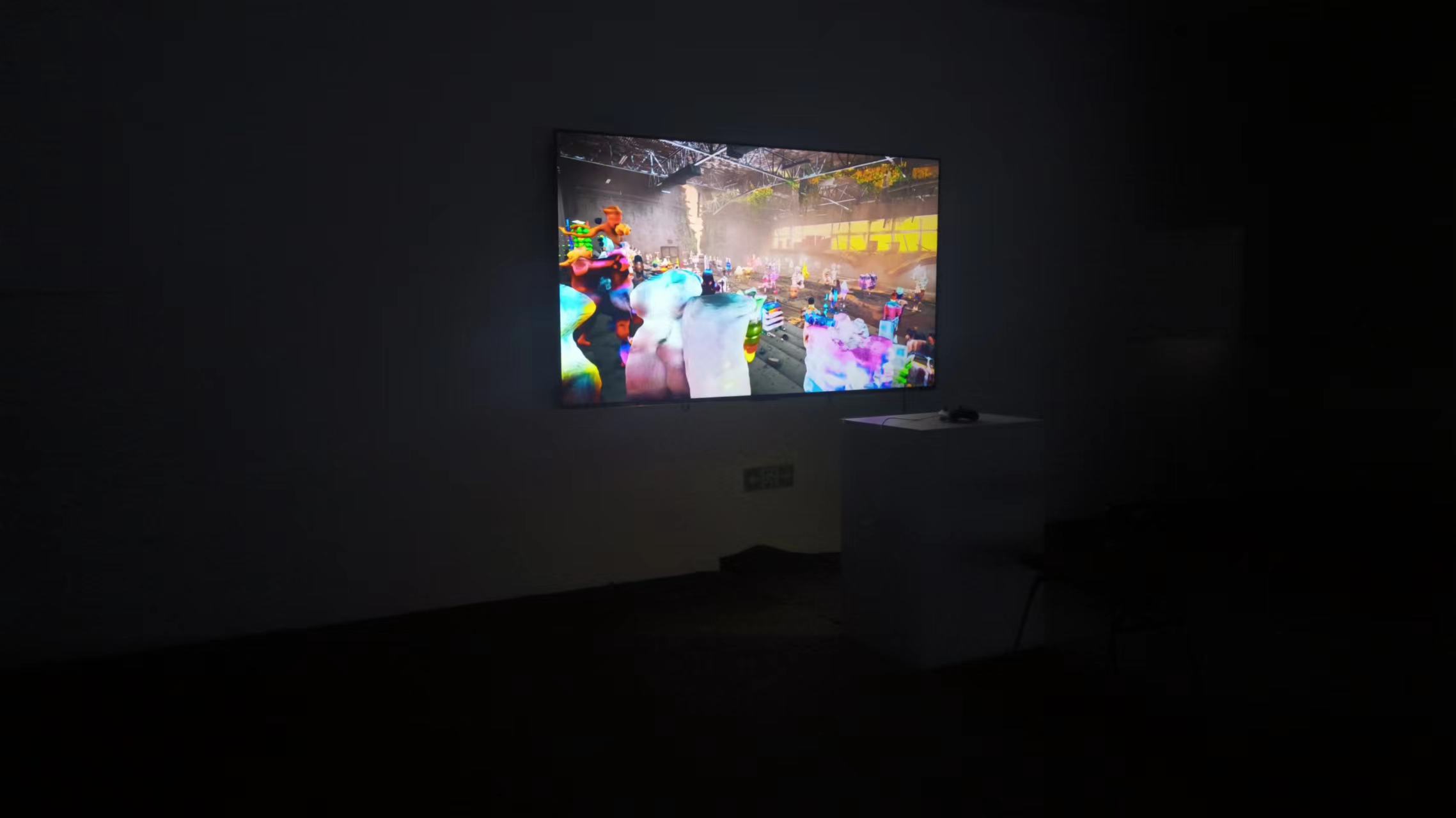
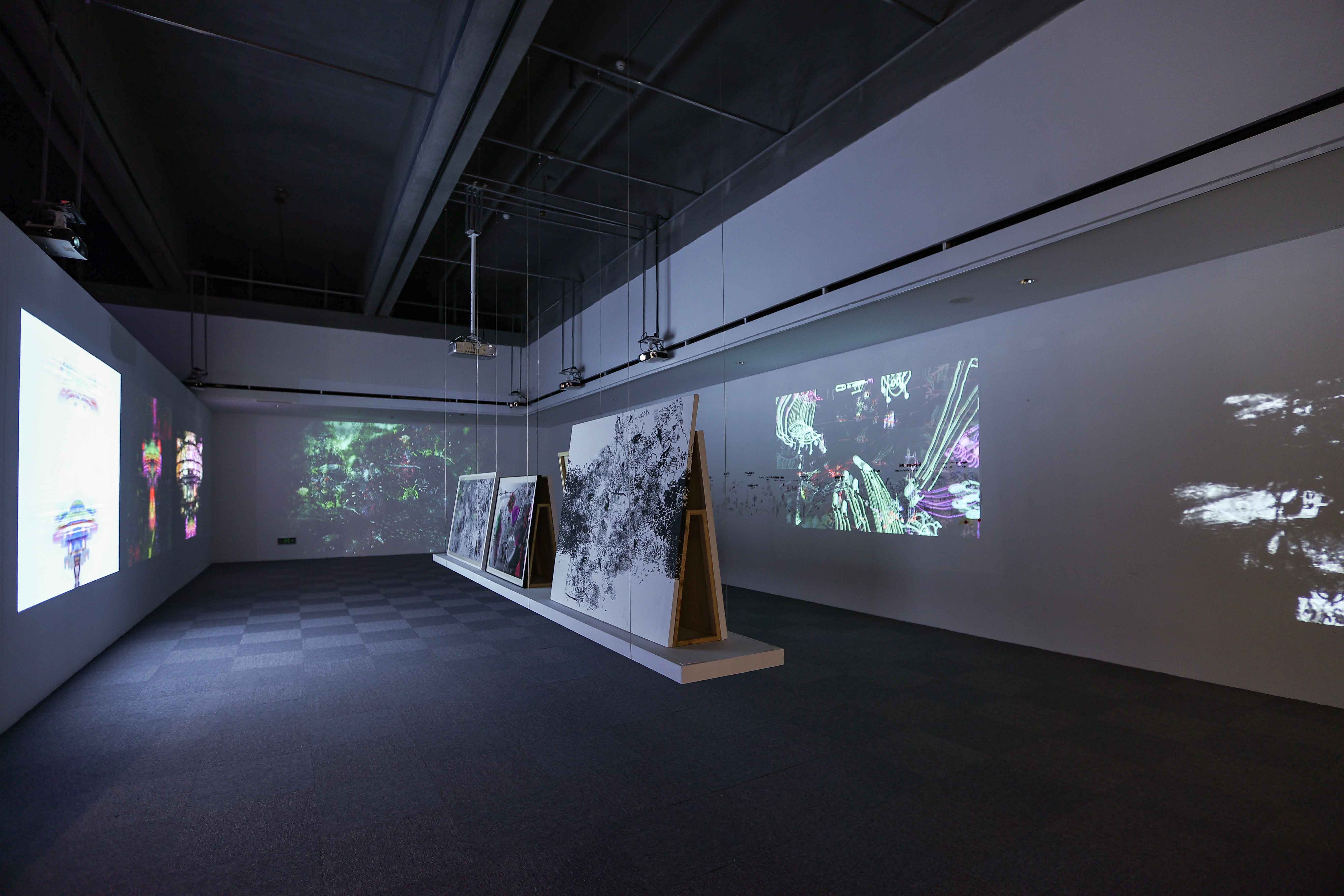
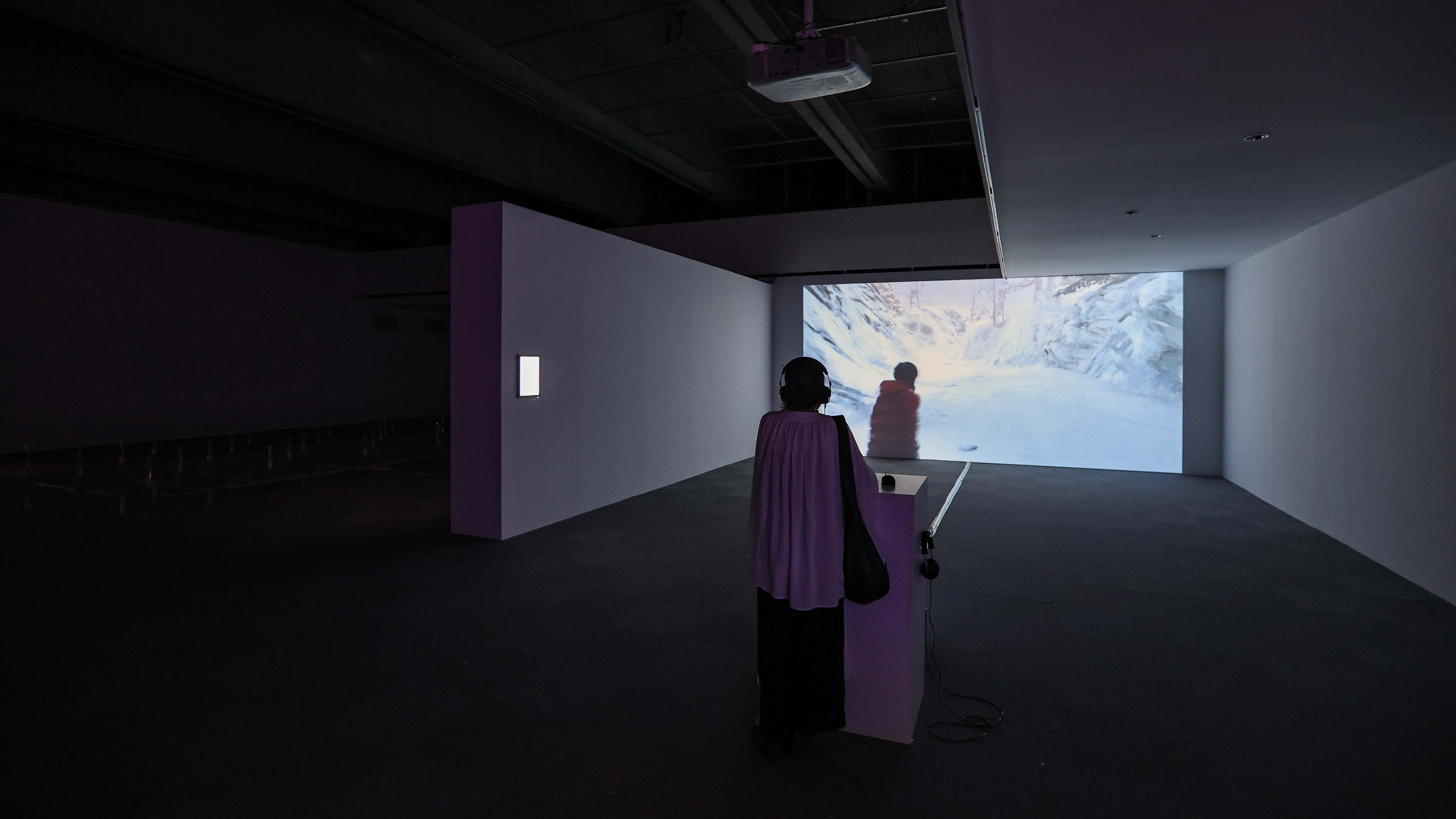
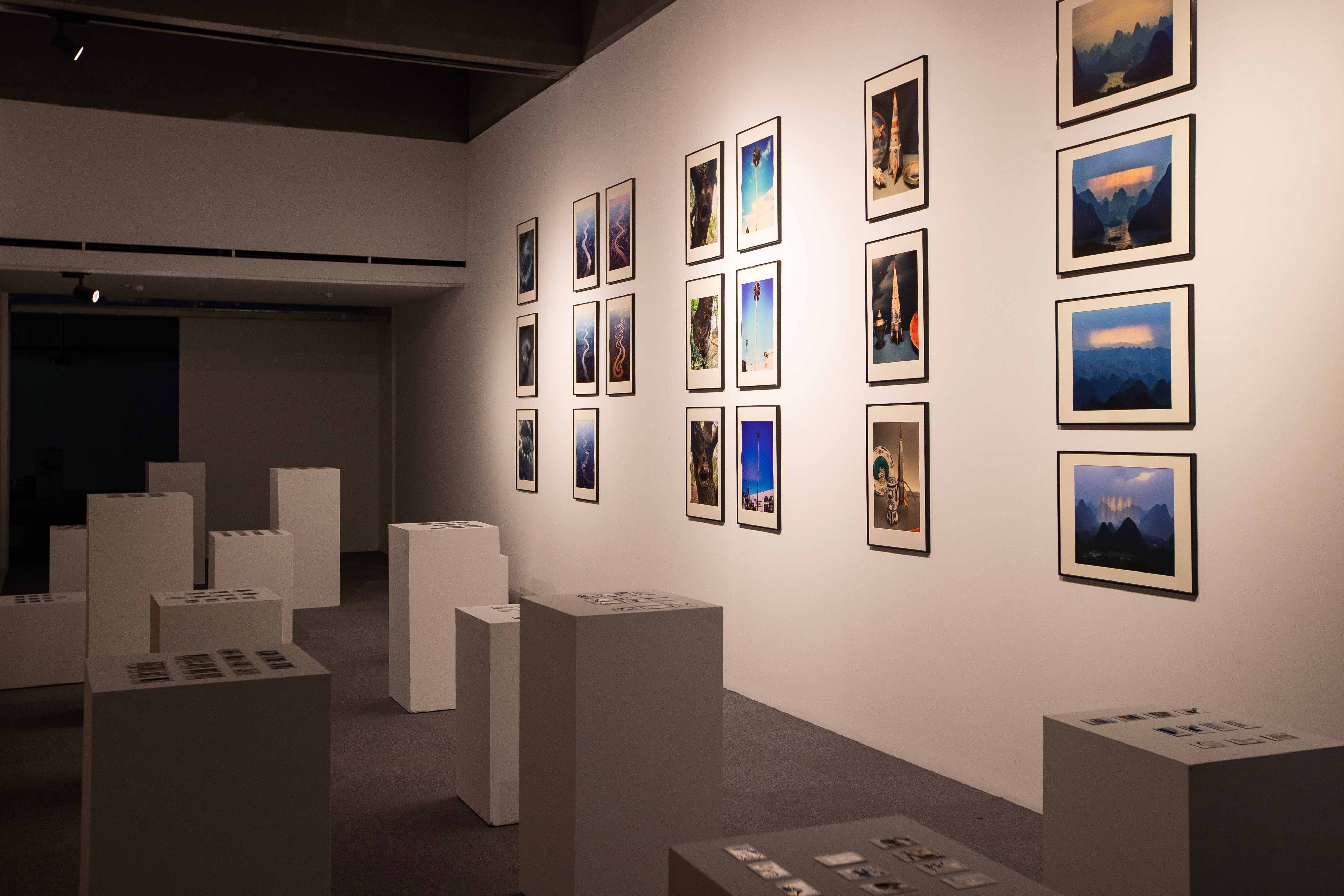
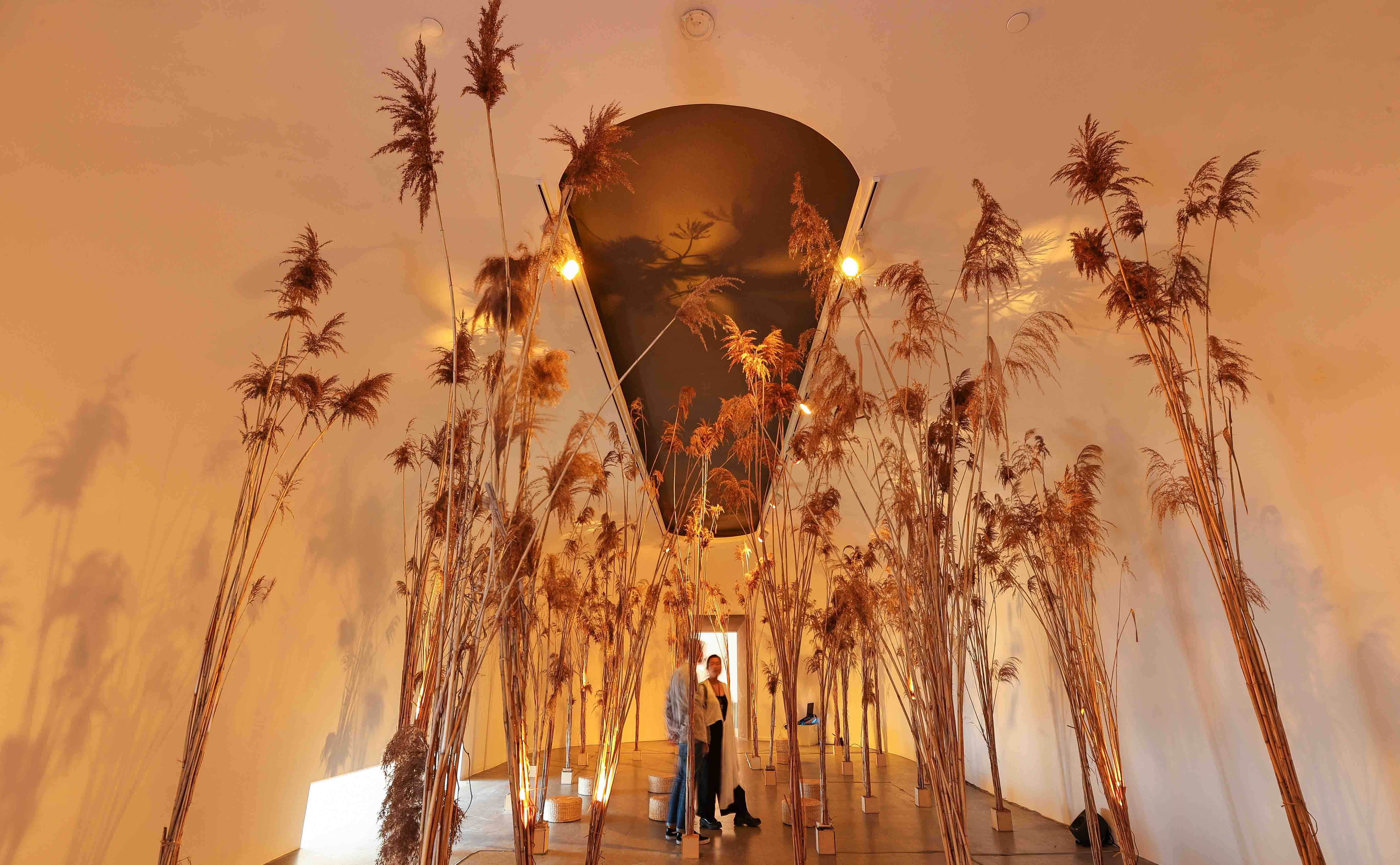
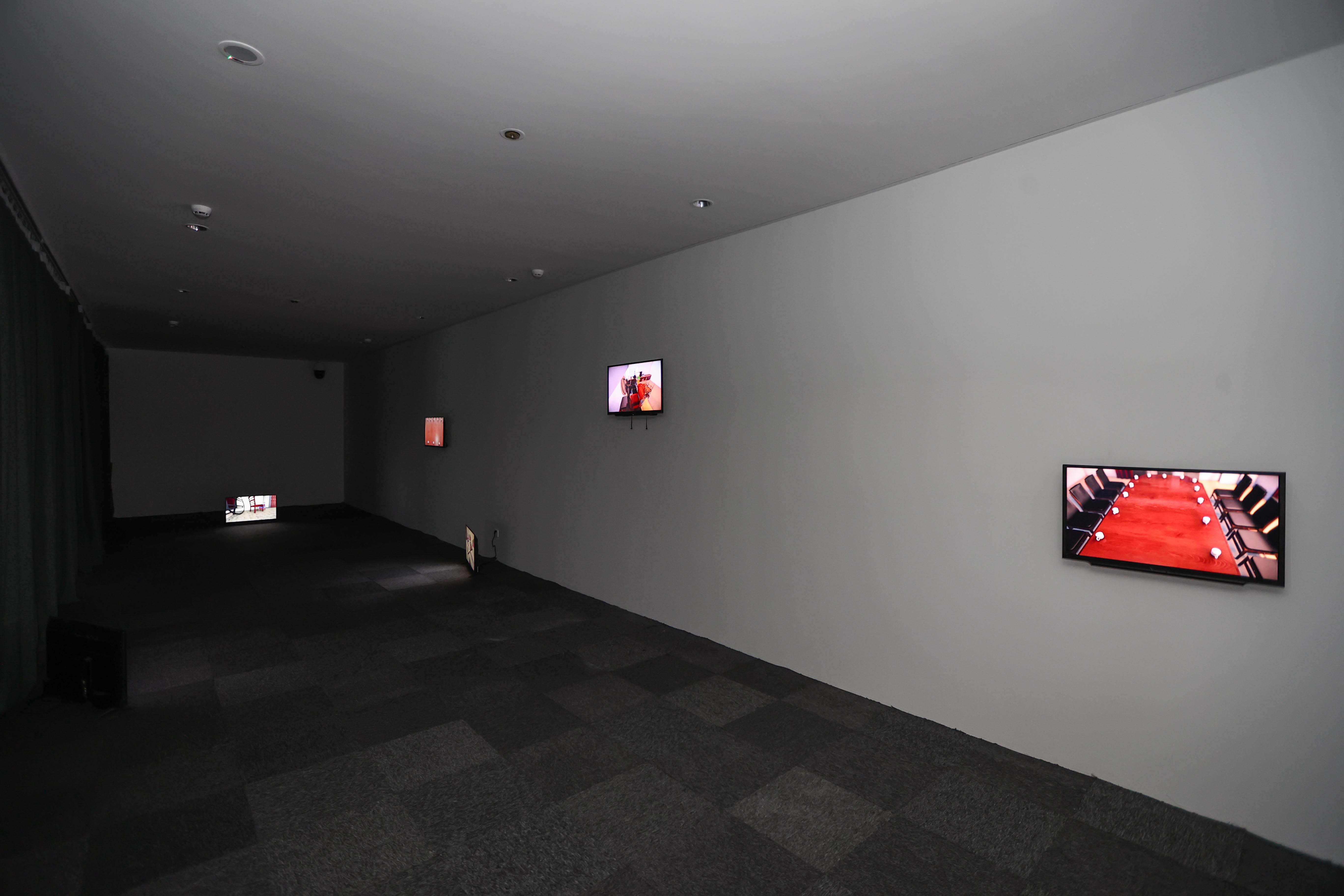
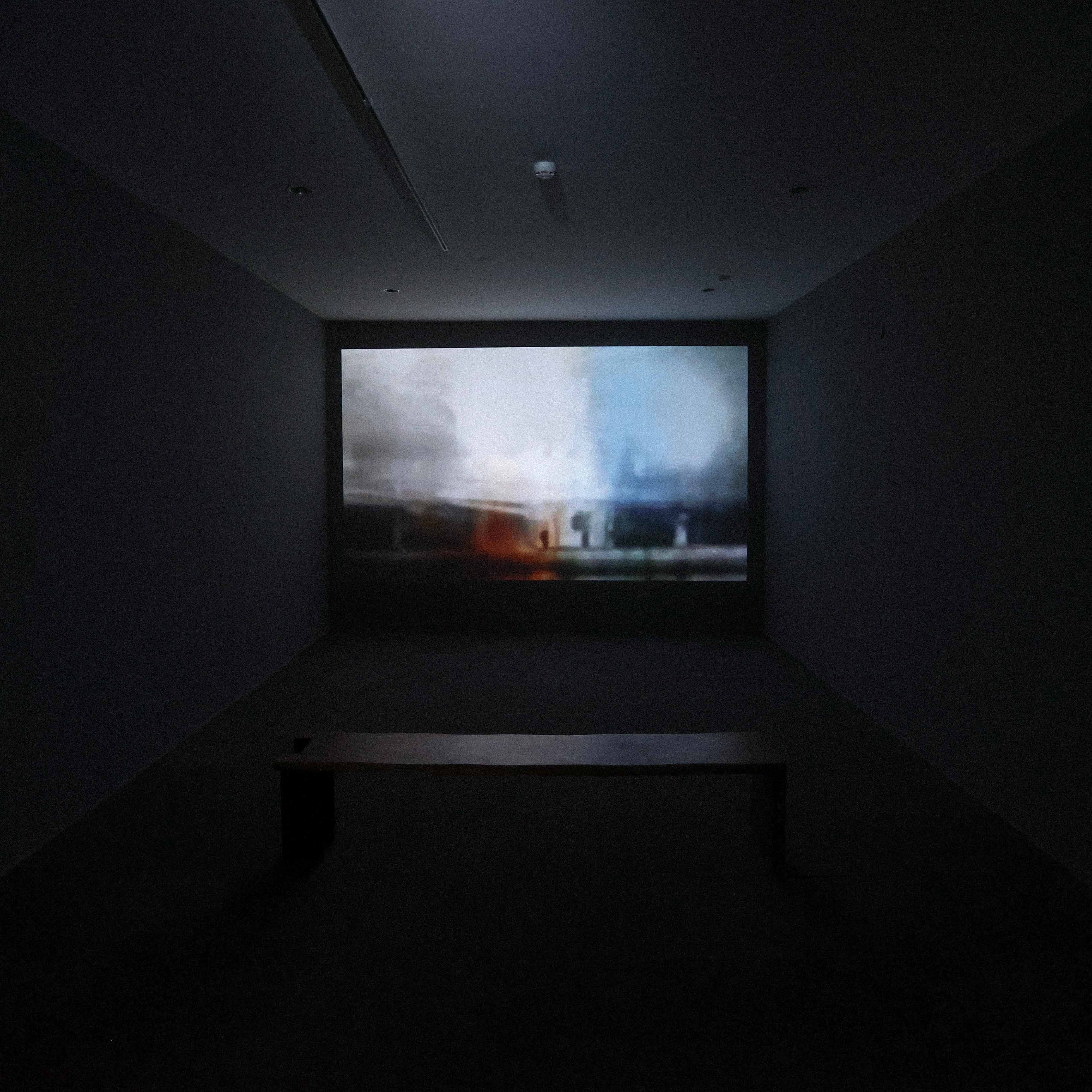
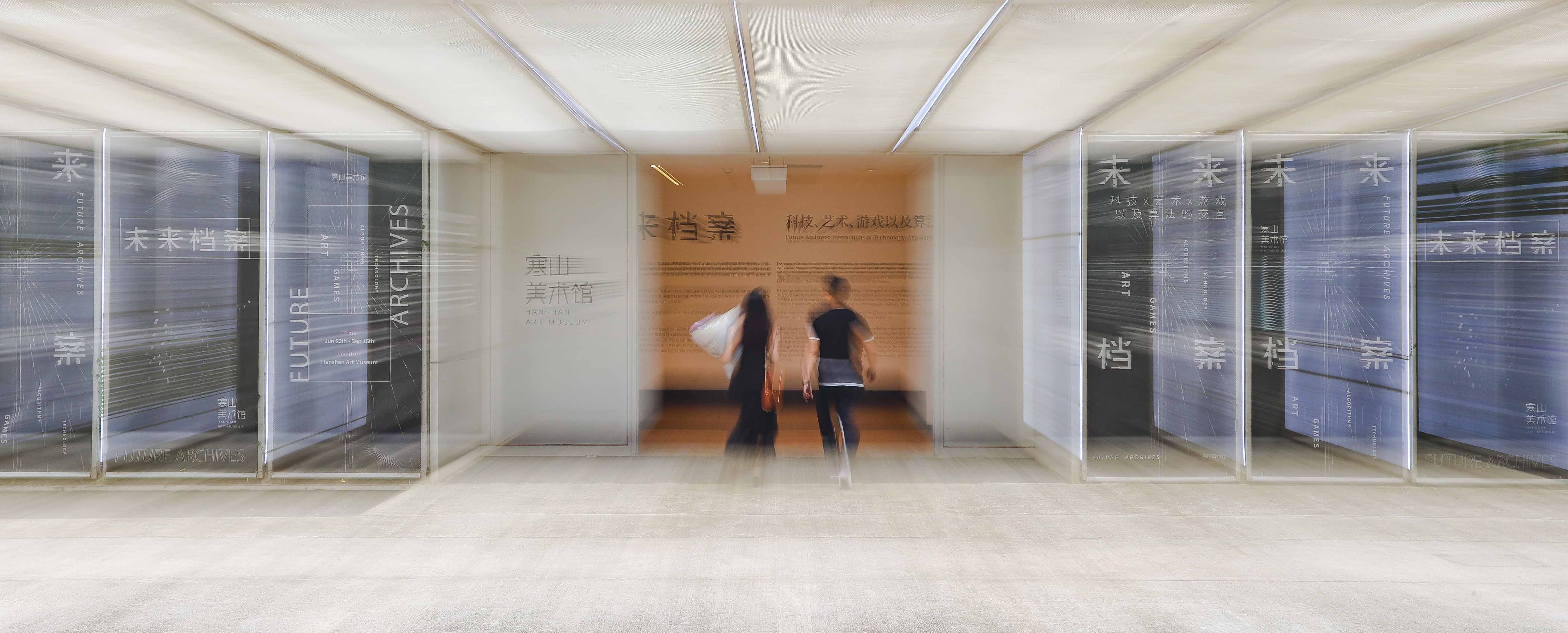
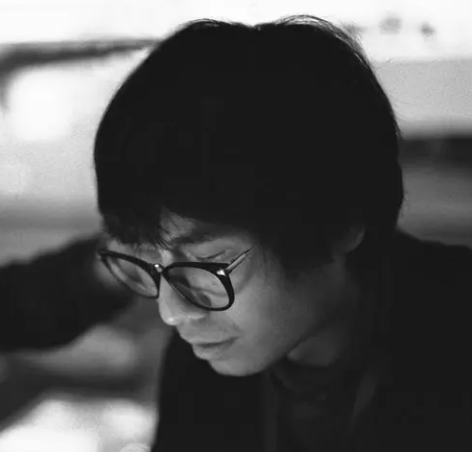
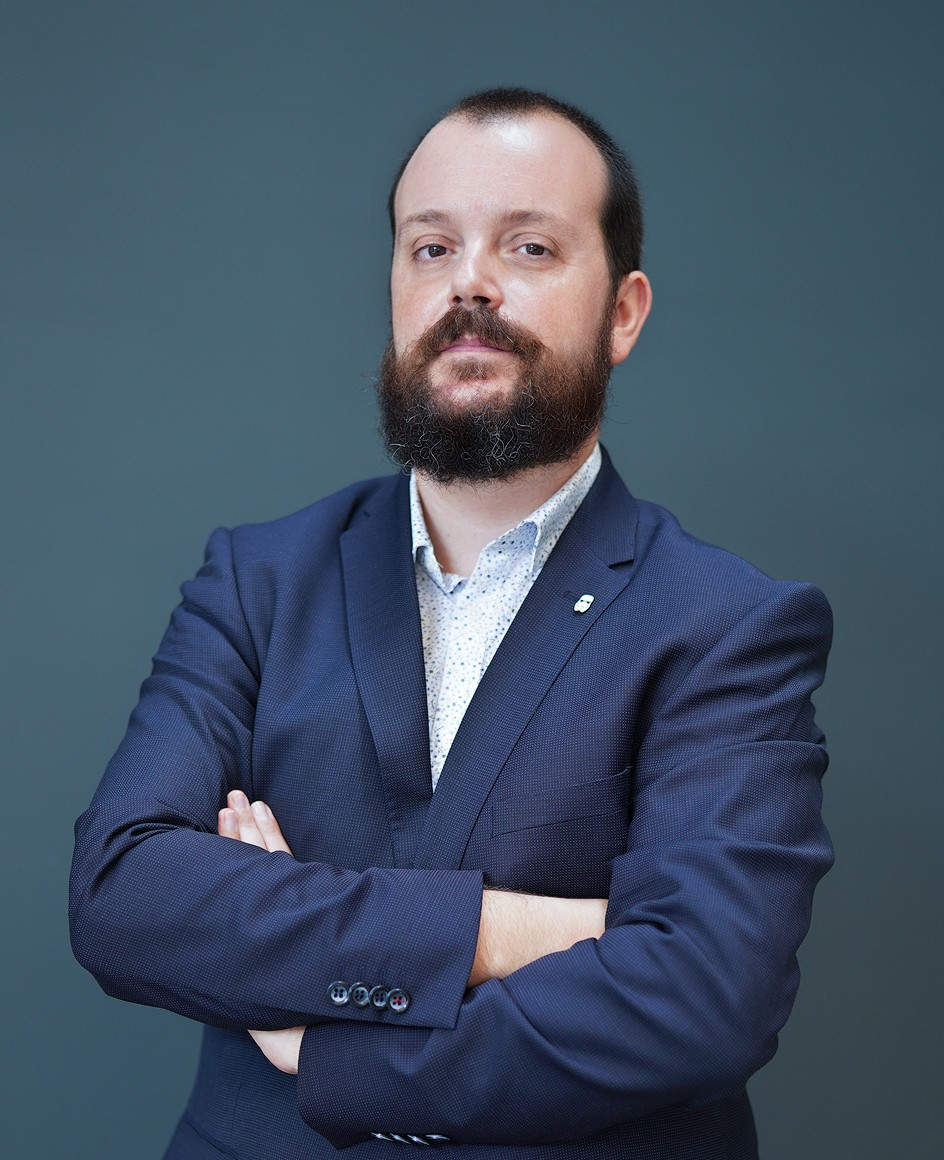
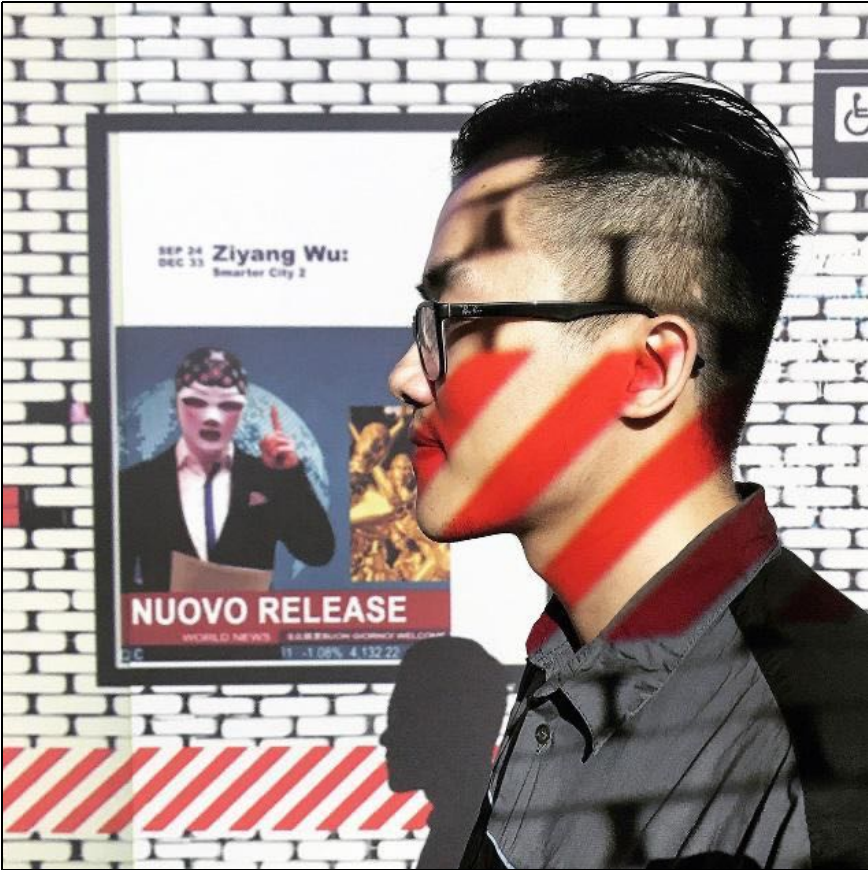
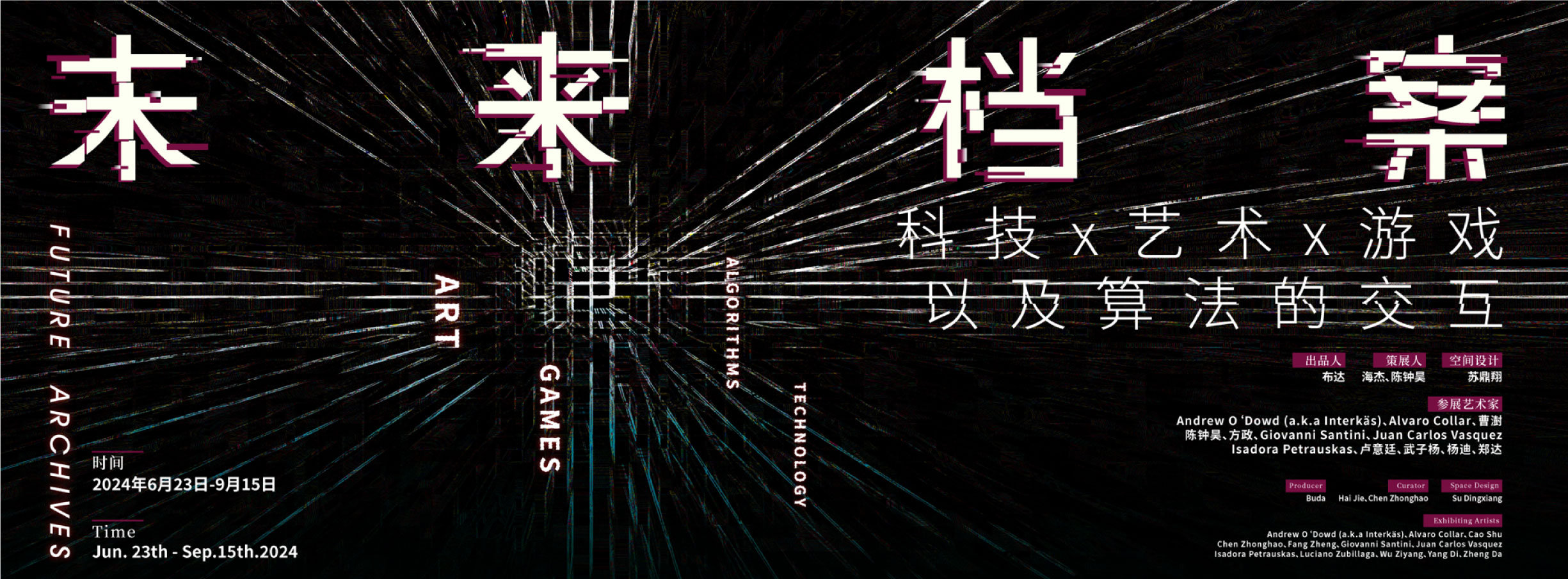
本次展览,我们集结艺术家、技术专家、学者和科学家的一系列作品,重新思考现实与媒介之间的关系。深入探索原始现实与混合现实之间的边界,揭示生成式AI在塑造我们认知和体验中的角色。而美术馆空间作为实验场所,将通过本次展览,讨论现实与影像、肉身与代码、技术与控制、记忆碎片与感知疼痛、科技奇观作为背景板与恋爱剧场、建模渲染与权力景观,以及现实与拟像的界线。展出的作品采用了多种媒介和方法,包括人工智能、影像、声音、互动装置、生物艺术、现场编码等。本次展览强调艺术与技术的融合、本地与国际视角之间的微妙平衡,意在重塑我们对艺术与技术之间纠缠的思考轨迹。
未来档案,并不是未来考古学,虽然它也展示了一种齐林斯基所定义的“看似矛盾的抽象混合物,本质上是一种按照两个相反的时间箭头运作的实践”,但“未来档案”本身具有即时性,即此刻的艺术家们,在现在,如何面向和理解未来。
The concept of the future world often seems literarily, as it is repeatedly rehearsed through fiction, such as the adult amusement park depicted in the TV series "Westworld" released in 2016.However, theanthropological media fears and debates seem to emerge later, such as the successive developments in artificial intelligence technology in 2023 and the boom in 2024. The sense of crisis in reality almost follows immediately.
The current media state resembles a "waterspout" of the natural phenomenon: the cloud, in the form of a tornado, extracts donors from the ground. The human body faces transformation and adornment by machines, the original reality is devoured by new interfaces, and reality is disappearing, turning into relics. We have been encoded, datafied, and consigned to future archives.
Archives imply historicization, and historicization itself is the consumption of time and selective presentation. The term "future archives" aims to showcase an interface within the ongoing process. In this interface, reality, as a "donor," is extracted by media to maintain new possibilities of activity. However, this behavior often encounters rejection in the actions of artists. Borrowing the concept of "donor" from human organ transplantation, the intention is to express the incompleteness of reality and the form of its fragments.
Today, we overlook through screens and enter what Hito Steyerl refers to as the "perspective of free fall." In her view, "Fighting with the precarious future forces us back to the painful present. We find that below the fall, there is no ground, only instability."
In this exhibition, we gather a series of works by artists, technologists, scholars, and scientists to rethink the relationship between reality and media. We delve into the boundaries between original reality and mixed reality, revealing the role of generative AI in shaping our cognition and experience. The museum space, as an experimental site, will showcase and discuss the interactions between flesh and code, technology and control, memory fragments and perceived pain, technological spectacles as a backdrop and love theaters, modeling rendering and power landscapes, as well as the boundary between reality and simulacra. The exhibited works employ various media and methods, including artificial intelligence, video, sound, interactive installations, bio-art, live coding, and more. This exhibition emphasizes the integration of art and technology, the subtle balance between local and international perspectives, and aims to reshape our contemplative trajectory of the entanglement between art and technology.
Future archives are not future archaeology. Although they also present what Siegfried Zielinski defines as "an apparently contradictory abstract mixture, essentially a practice operating according to two opposite arrows of time," "future archives" possess immediacy, showing how contemporary artists understand and face the future in the present.